China Introduces Remote Oversight of Medical Device Logistics in Kaifeng
China is expanding its use of digital technologies to strengthen regulatory oversight of medical device storage and distribution.

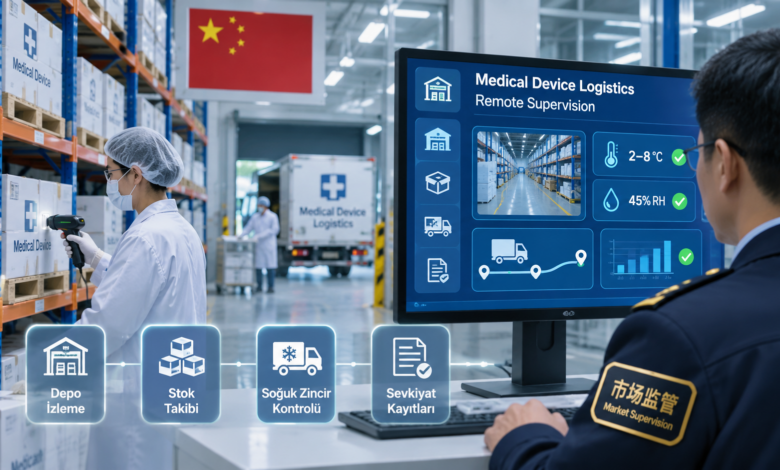
In Kaifeng, a city in Henan Province, the local Market Supervision Administration has developed a remote monitoring framework designed to improve oversight of third-party logistics providers handling medical devices.
According to a report published by China Food and Drug Network on 26 November 2026, the system enables regulatory officials to access operational information, inventory records, contractual relationships and temperature-control data directly from their computers.
The initiative forms part of the authority’s efforts to address regulatory challenges associated with complex logistics networks, operational risks that may be difficult to identify and the practical limitations of periodic on-site inspections.
Real-Time Monitoring of Warehouse Conditions
A central feature of the system is its ability to monitor temperature and humidity conditions in medical device storage facilities.
The platform also provides alerts for products approaching their expiry dates, helping operators and regulators identify potential storage-related quality risks before affected products enter further distribution.
Regulatory officials can examine supplier qualifications, purchasing and sales documentation, warehouse entry and exit records, and transportation documents.
By comparing these records, the authority aims to strengthen traceability throughout the distribution process, from the original supplier to the receiving business.
Cold Chain Transportation Under Closer Scrutiny
Temperature-controlled transportation is another priority of the Kaifeng initiative.
The system collects temperature-monitoring data throughout transportation and can generate automatic alerts when abnormal conditions are detected.
These electronic records provide regulators with an additional means of assessing whether required temperature conditions have been maintained during shipment.
For temperature-sensitive medical devices, such information can be particularly relevant when investigating potential deviations from the manufacturer’s specified storage and transportation requirements.
Greater Scrutiny of Third-Party Logistics Arrangements
The initiative also addresses regulatory risks associated with the commercial arrangements between logistics operators and their clients.
Authorities are examining whether businesses receiving logistics services hold the necessary qualifications and remain operational.
Particular attention is being given to arrangements involving unauthorised storage and distribution activities, disguised warehouse leasing and operations conducted under another company’s regulatory qualifications.
The objective is to improve transparency across the logistics chain and prevent facilities from being used in ways that fall outside applicable regulatory requirements.
All Three Local Operators Included
The Kaifeng Market Supervision Administration confirmed that all three third-party medical device logistics enterprises operating in the city have been incorporated into the remote intelligent supervision framework.
The authority intends to strengthen a regulatory approach combining remote electronic alerts, targeted on-site inspections and follow-up measures to address identified deficiencies.
The system is not intended to eliminate physical inspections. Rather, electronic monitoring is expected to help regulators identify potential risks and focus inspection resources on activities requiring closer examination.
Implications for International Medical Device Supply Chains
The Kaifeng initiative is a local regulatory development and should not be interpreted as a newly introduced nationwide requirement for medical device logistics companies in China.
Nevertheless, the programme illustrates how digital records can support regulatory oversight of increasingly complex medical device distribution networks.
For international manufacturers, importers and distributors sourcing medical devices from China, the development highlights the practical importance of maintaining reliable documentation throughout the supply chain.
Depending on the device and its specified handling requirements, relevant documentation may include warehouse temperature records, transportation monitoring reports, inventory movements and evidence of logistics providers’ regulatory qualifications.
Storage and transportation requirements for medical devices should be assessed according to the applicable regulatory framework, the nature of the products and the manufacturer’s instructions. Requirements specific to pharmaceutical distribution should not automatically be assumed to apply to all medical devices.
Although the Kaifeng programme currently covers only three local logistics operators, it provides an example of how electronic monitoring can complement conventional regulatory inspections.
The original report did not announce a timetable for extending the system to other Chinese cities.